May 14, 2026 · Gobi Team · Interior Design Ideas
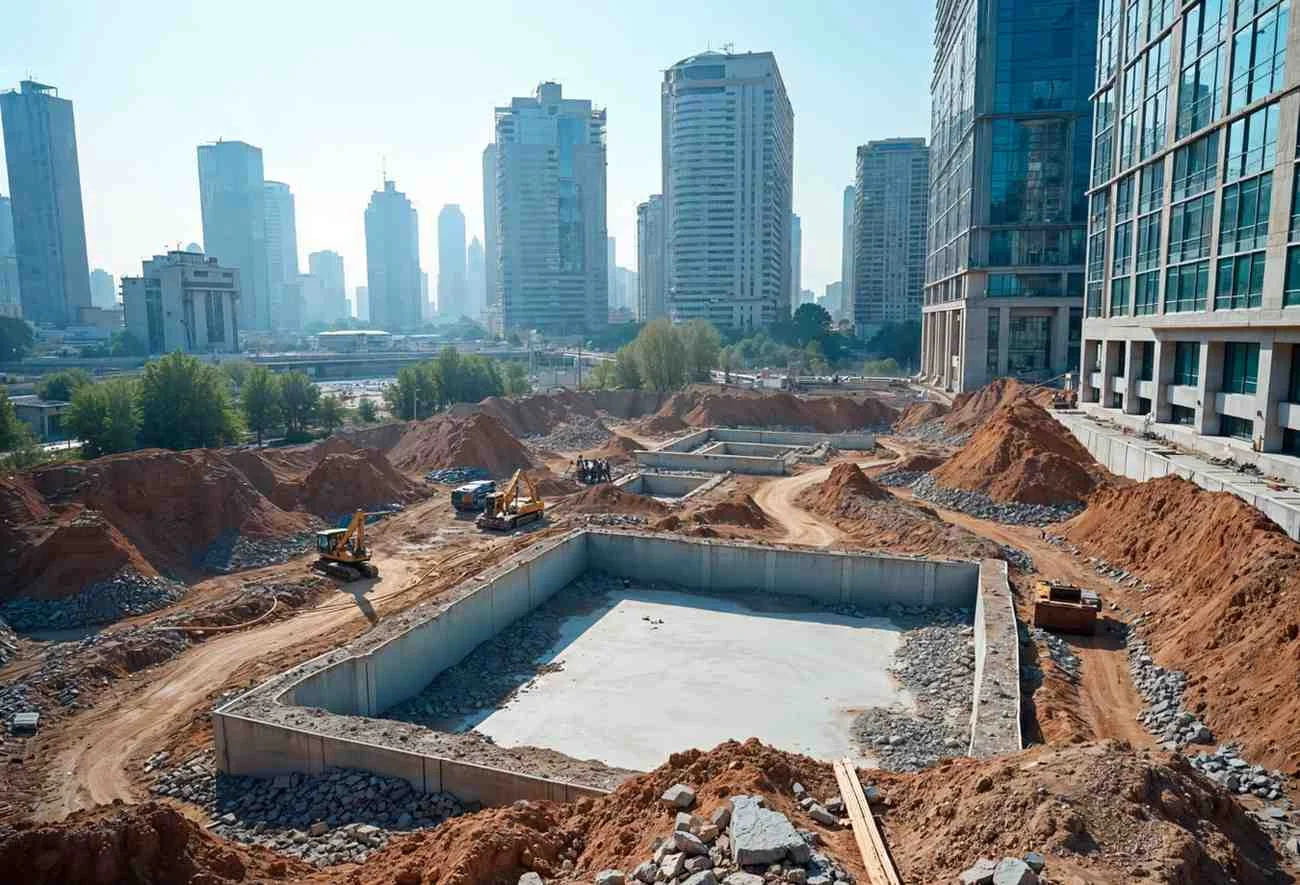
One of the most important factors that determines the strength and lifespan of a building is the soil beneath it. In a city like Trichy, soil conditions vary significantly from one location to another, and these variations directly affect construction quality, foundation stability, drainage systems, and long-term structural safety.
Many homeowners focus on floor plans and construction costs without understanding how Chennai’s soil conditions influence the building process. Ignoring soil analysis can lead to foundation cracks, water seepage, uneven settlement, and expensive maintenance problems in the future.
At chippiconstructions Builders, soil evaluation is considered one of the first and most critical steps before starting any residential construction project in Chennai.
Why Soil Condition Matters in Construction
Every structure transfers its load to the ground through the foundation. If the soil is weak, loose, or unstable, the building may experience structural issues over time. Soil conditions determine:
Foundation depth
Type of footing required
Load-bearing capacity
Water drainage performance
Basement feasibility
Construction cost
Structural durability
Different parts of Chennai have different soil compositions. Coastal areas may have sandy soil, while interior regions often contain clay-rich soil. Each soil type reacts differently to moisture, heat, and structural loads.
This is why soil testing for construction is essential before starting any residential or commercial building project.
Common Soil Types Found in Chennai
Clay Soil
Clay soil is one of the most commonly found soil types in Chennai residential areas. This soil expands when wet and shrinks when dry. Because of this movement, buildings constructed on clay soil can develop cracks if the foundation is not designed properly.
Challenges of clay soil include:
Expansion during monsoon
Shrinkage during summer
Uneven settlement
Water retention issues
Proper foundation engineering and soil stabilization techniques are necessary when building on clay-heavy land.
Sandy Soil in Coastal Areas
Areas near the coast often contain sandy soil. Sandy soil has better drainage but lower load-bearing capacity compared to dense soil.
Construction challenges in sandy soil include:
Reduced foundation stability
Soil erosion risks
Higher settlement possibilities
Difficulty in retaining moisture
In coastal Chennai locations, deeper foundations and reinforced structural systems are often required.
Filled or Loose Soil
Some plots in Chennai are developed on reclaimed or filled land. These sites may contain loose soil mixed with debris, making them risky for construction if not compacted properly.
Problems caused by loose soil include:
Foundation sinking
Cracks in walls
Uneven flooring
Structural instability
Before construction begins, soil compaction and testing should be performed to ensure long-term safety.
You can also read about related site challenges in Chennai residential projects here: Common Site Issues Faced in Chennai Residential Projects
Importance of Soil Testing Before Construction
Soil testing helps engineers understand the behavior and strength of the ground. A professional soil investigation report provides critical information about:
Soil bearing capacity
Groundwater level
Moisture content
Soil density
Settlement characteristics
Safe foundation depth
Without soil testing, construction decisions become assumptions rather than engineering-based planning.
At Chippi Constructions Builders, soil analysis is integrated into the early planning stage to ensure safe and efficient home construction in Chennai.
How Soil Conditions Affect Foundation Design
Foundation design changes depending on soil condition. A strong foundation prevents future structural failures and improves the lifespan of the building.
For Clay Soil
Engineers may use:
Raft foundations
Under-reamed piles
Reinforced footing systems
These solutions help reduce damage caused by soil expansion and shrinkage.
For Sandy Soil
Builders may prefer:
Deep foundations
Pile foundations
Reinforced concrete footing
This improves load transfer and minimizes settlement problems.
For Waterlogged Areas
Special waterproofing systems and drainage planning become essential to prevent seepage and foundation weakening.
Chennai’s Climate Also Influences Soil Behavior
Chennai experiences extreme summers, heavy monsoons, and occasional flooding. These weather conditions directly impact soil movement and structural stability.
During monsoon seasons:
Soil becomes saturated
Clay expands
Foundation pressure increases
Water seepage risks rise
During hot summers:
Soil dries rapidly
Shrinkage occurs
Ground movement develops
Climate-responsive construction planning is becoming increasingly important for modern homes in Chennai.
Read more about this here: How Climate Change Is Influencing Building Design in Chennai
Warning Signs of Poor Soil-Related Construction Problems
Many buildings in Chennai develop problems because soil conditions were ignored during construction.
Common warning signs include:
Cracks in walls
Uneven flooring
Door misalignment
Water seepage
Foundation settlement
Exterior wall separation
These issues may appear slowly over time, but they can become expensive to repair later. Proper soil testing and engineering reduce these risks significantly.
How Professional Builders Handle Soil Challenges
Experienced construction companies use engineering methods to manage difficult soil conditions effectively.
This includes:
Conducting geotechnical investigations
Choosing the right foundation system
Improving drainage planning
Using soil stabilization techniques
Designing climate-resistant structures
Planning waterproofing systems
A professional construction team understands that soil is the base of the entire structure. Even the best-looking home can fail if the foundation is weak.
Soil Conditions and Construction Cost
Soil conditions can influence the total construction budget. Weak soil may require:
Additional excavation
Deeper foundations
Extra reinforcement
Waterproofing systems
Soil treatment methods
Although these improvements increase initial costs, they prevent major structural repairs in the future. Investing in proper soil preparation always saves money in the long term.